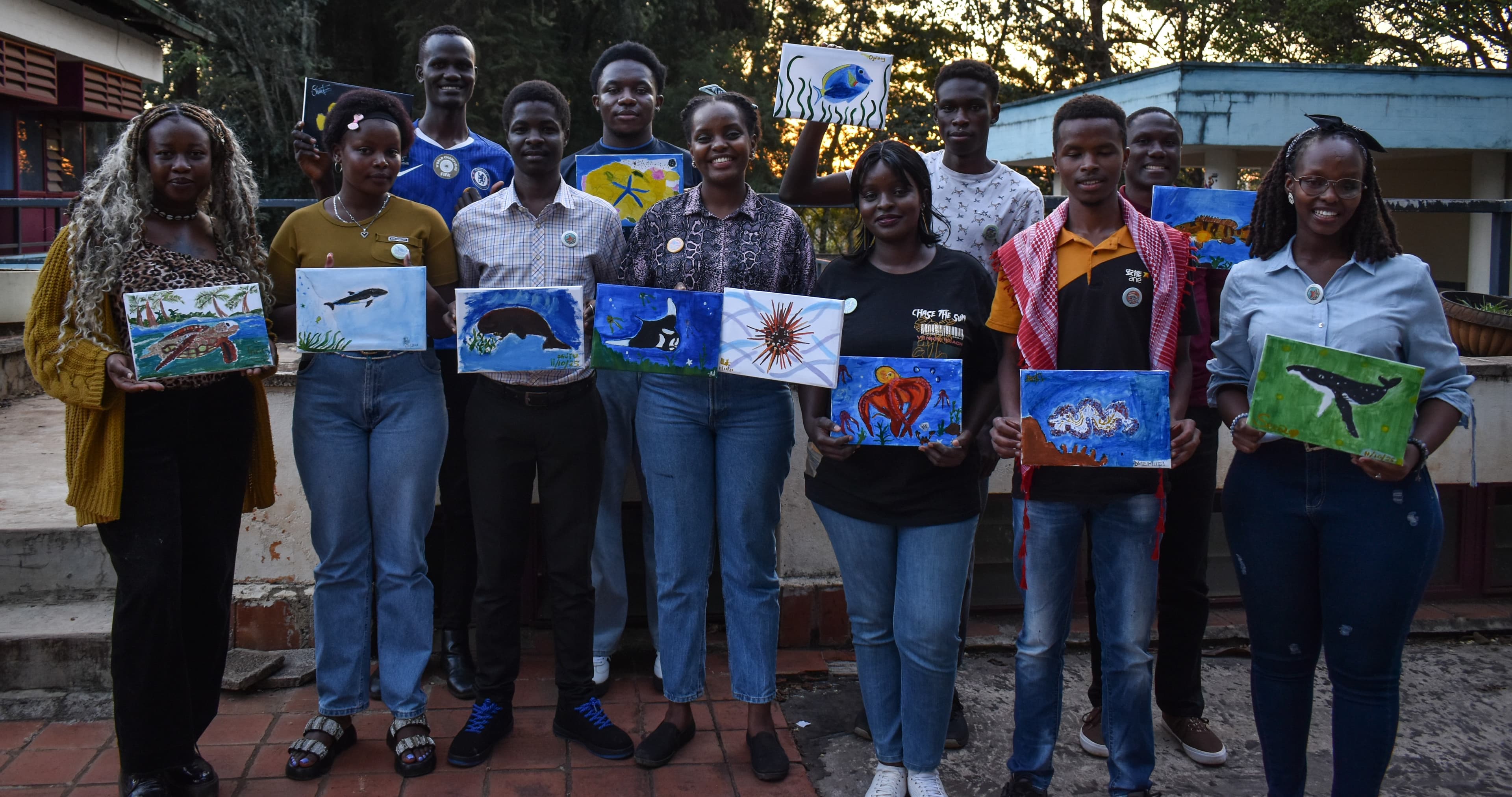
Can you protect something you’ve never truly seen? This was the question at the heart of our Scientific Illustration Workshop. At Mashujaa wa Bahari, we believe that conservation isn’t just about data; it’s about connection. To bridge the gap between the busy streets of Nairobi and the vibrant coral reefs of the coast, we brought together 15 young people to illustrate the life that calls it home.
The workshop was a unique experiment in "slow looking." Each student was assigned one marine species at random. This meant they had to dive deep into the world of a creature they might have known nothing about just an hour prior.
The Art of the Anatomy
Among our participants were several veterinary students. For them, this was a massive eye-opener. Most vet studies focus on terrestrial animals like cows, dogs, or cats, but this workshop offered a rare window into Marine Medicine. They began to see the ocean’s inhabitants not just as "fish," but as complex patients.
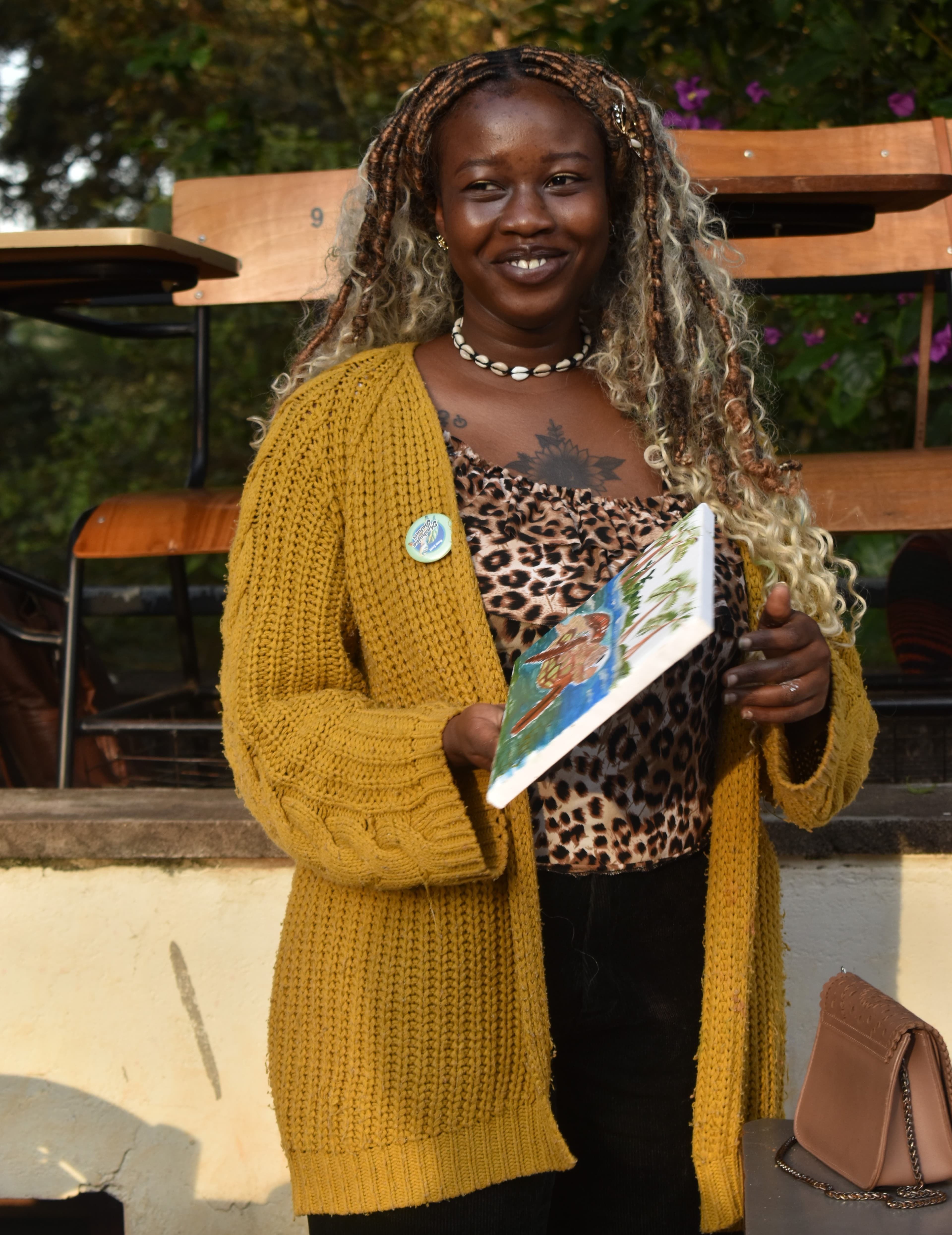
One student reflected on how illustrating the Green Sea Turtle Chelonia mydas, or Kasa in Swahili, changed their perspective. They weren't just drawing a shell; they were documenting a keystone grazer that maintains our seagrass meadows. For the vet students, it sparked a new ambition: the possibility of becoming Kenya's next generation of marine veterinarians.
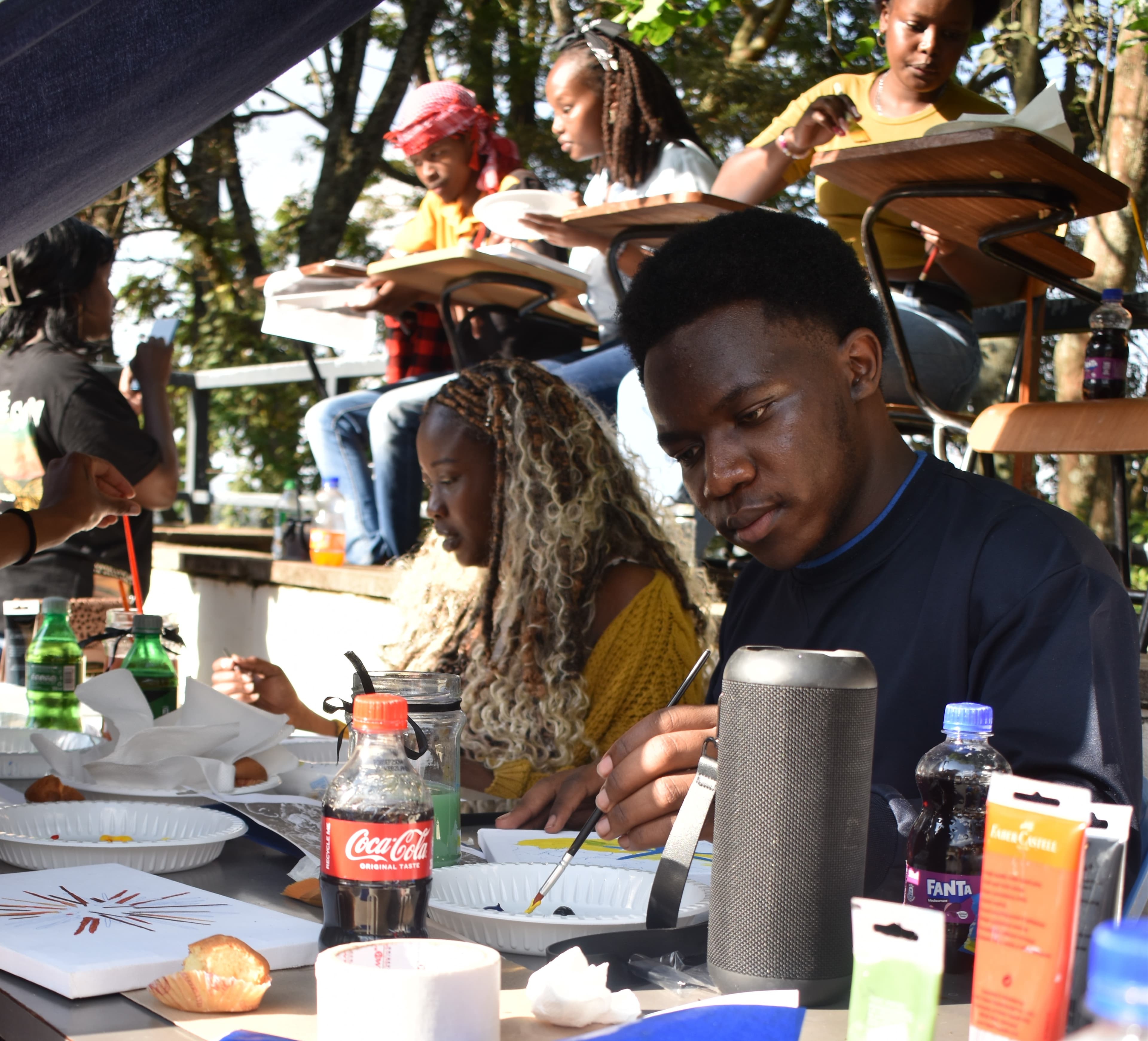
From Canvas to Community
The highlight of the day wasn't just the painting, but the mini-presentations that followed. Each student stood up to introduce their "partner" to the group. It was an educational relay where we learned the common names, Swahili names, and the ecological roles of 15 different species.
The room was filled with "Aha!" moments as students shared fun facts they had uncovered:
The Sand Maker: We learned that the Bullethead Parrotfish is the reason we have white sandy beaches. It grazes on algae and "poops" out sand as a byproduct!
The Ocean’s Giant: The Whale Shark , the world's largest fish, has a name that comes from the star-like spots on its back that look like small coins.
The Reef's Best Friend: The Powder Blue Tang uses constant grazing to prevent algae from suffocating the hard corals.
A Moment of Pride
There was a palpable sense of magic in the room as the final strokes were laid down. Many of the students had never considered themselves "artists" before, yet they stood back and marveled at their own work. There is a specific kind of pride that comes from realizing you’ve captured the likeness of a living creature so accurately.
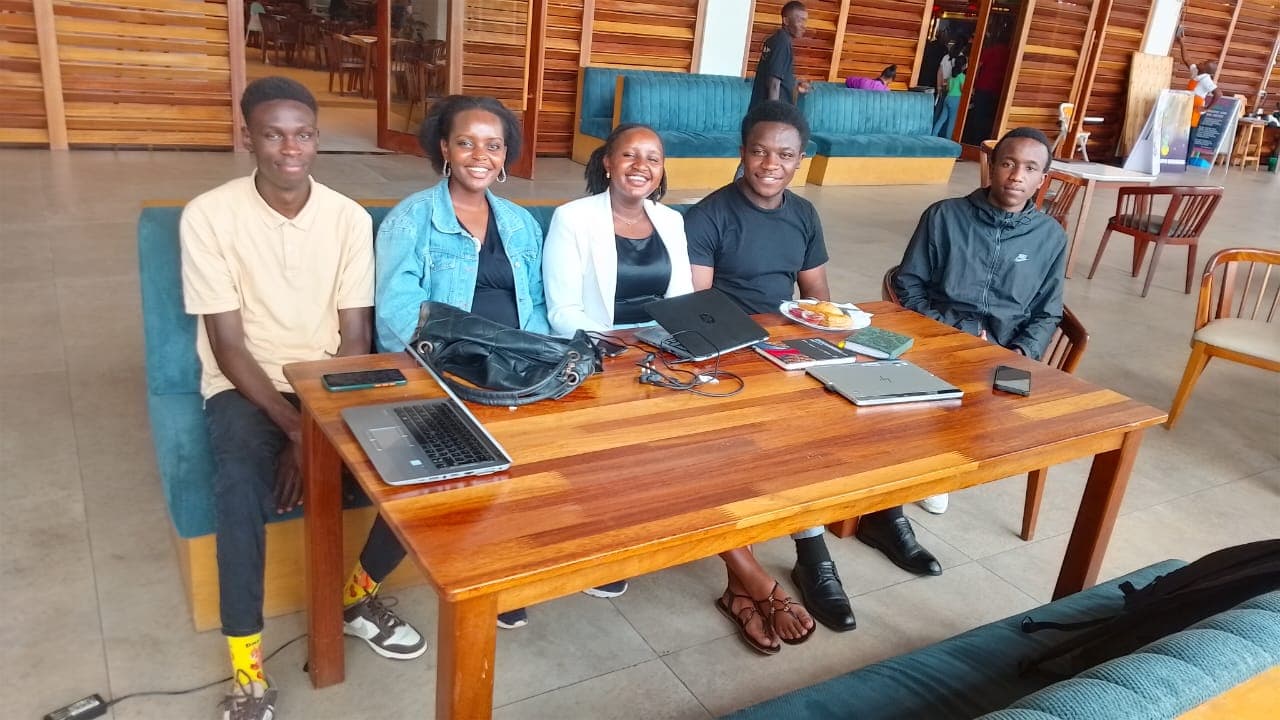
By the end of the session, the "vibes" of the ocean had been replaced by a deep, technical, and emotional respect for marine biology. We left the workshop with more than just a gallery of art; we left with 15 new ambassadors who now see the ocean as a masterpiece worth protecting.