
When most Kenyans think of the coast, we think of the "vibes", the white sands of Diani, the Swahili dishes in Old Town, and the December holidays where we go to disconnect. But for a long time, I’ve felt there is a missing piece in our national conversation. We view the Indian Ocean as a luxury destination, a place for entertainment. In reality, the Indian Ocean is the heart of Kenya, and it is working 24/7 to keep us alive, whether we live in Mombasa, Nairobi, or Kisumu.
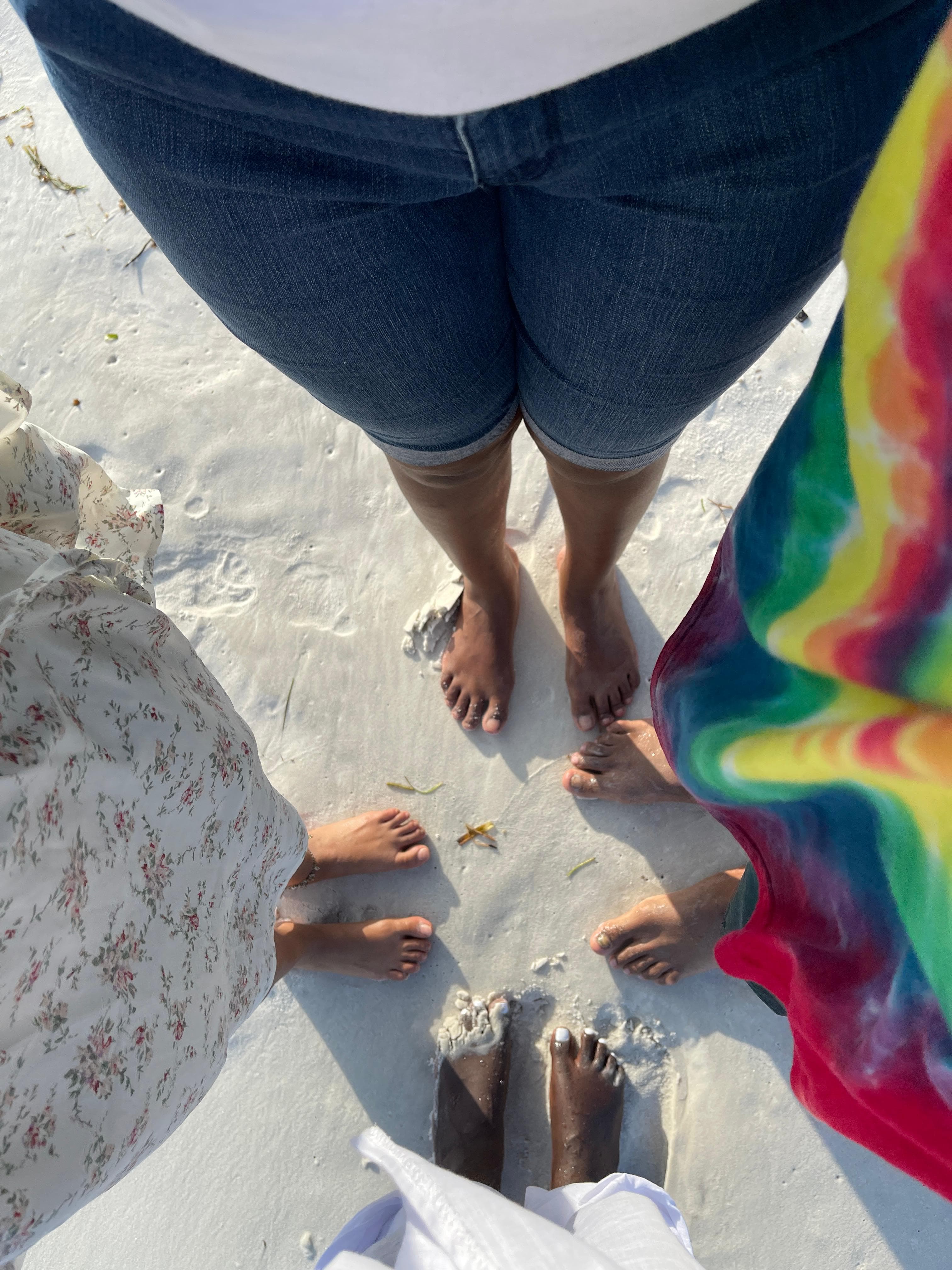
It is time we stop looking at the ocean as just a backdrop for photos and start seeing it as our most vital life-support system.
More Than Just a Pretty View
The ocean is often called the "lung of the planet," and for good reason. Between 50% and 80% of the oxygen we breathe is produced by marine plants like phytoplankton. That means every second breath you take even in the middle of a traffic jam in Nairobi is a gift from the ocean.
But it’s also our shield. The Indian Ocean is a massive carbon sink, absorbing about 90% of the excess heat caused by global warming. Without this "cooling system," our climate would be unrecognizable, and our agricultural seasons would be in even more peril than they are today.
The Backbone of Our Economy
When we talk about the "Blue Economy," we aren't just using a buzzword; we are talking about survival. In Kenya, the marine and coastal sector contributes approximately USD 4.5 billion (nearly KES 600 billion) to our annual GDP.
This isn't just corporate money; it’s the backbone for the small-scale fisherman in Vipingo and the traders in Lamu. Over 2 million Kenyans rely directly or indirectly on the ocean for their livelihoods. From the protein on our plates to the shipping lanes that bring in our essential goods, the ocean is a literal engine of our economy.
Our Natural Guardrails: Mangroves and Coral Reefs
One of the most incredible parts of our coastline is the "underwater forest" of mangroves and the vibrant cities of coral reefs. These aren't just beautiful to look at during a boat ride; they are our first line of defense.
Mangroves: These trees are carbon-sequestering superstars, storing up to 10 times more carbon than terrestrial forests. They act as nurseries for fish and protect our land from being swallowed by the sea during storms.
Coral Reefs: These are the "rainforests of the sea." They support 25% of all marine life despite covering less than 1% of the ocean floor.
Heroes of the Deep
Thankfully, we aren't alone in this fight. Kenya is home to incredible marine protected areas and conservancies that are doing the heavy lifting. Places like the Kisite-Mpunguti Marine Park & Reserve are safe havens for dolphins, turtles, and hundreds of fish species. These protected zones ensure that the "engine" of our ocean keeps running so that our children can one day see the same beauty we do.
Why Every Kenyan Should Care
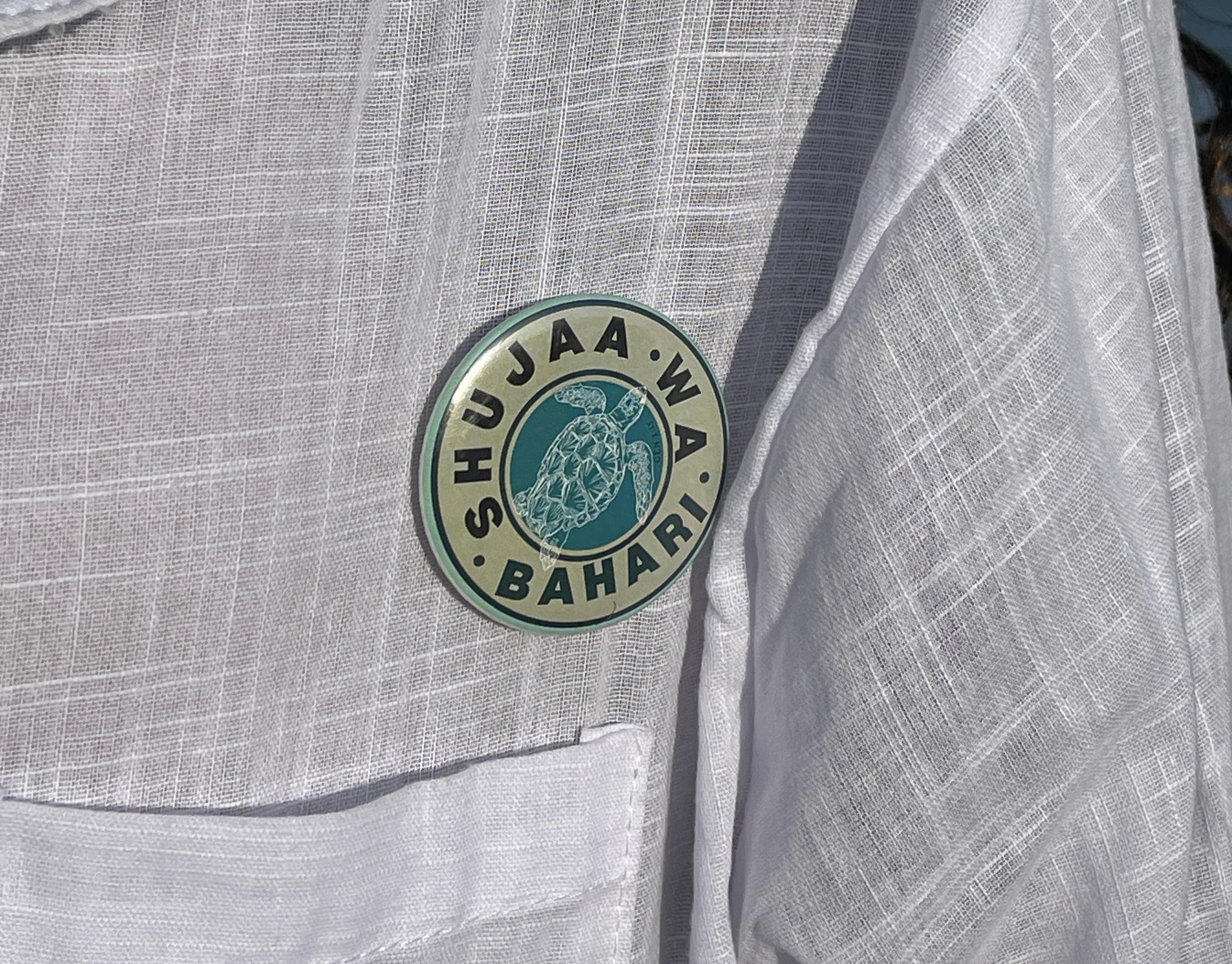
At Mashujaa wa Bahari, we believe you don’t need a diving mask to be an ocean hero. You just need to realize that the ocean isn't "away"; it is right here. Every time we reduce our plastic waste, support sustainable local fisheries, or simply learn the name of a local fish in Swahili, we are contributing to our own survival.
The Indian Ocean has given us life, food, and protection for generations. It’s time we gave it more than just a holiday visit; it’s time we gave it our care, our curiosity, and our protection.