Every journey has a turning point. For me, that moment came in 2023. I had just finished an internship with the National Geographic Society and The Nature Conservancy—an experience that opened my eyes to the vastness of conservation but also left me with a burning question: How do I bring this home to the Kenyan coast in a way that truly matters?
I was 20 years old when I secured seed funding for a project I wasn’t entirely sure how to start. I knew I wanted to do so much, but the "how" was a mountain I had yet to climb. I began by researching local CBOs and NGOs in Kilifi, seeking out mentors who could guide a young founder through the complexities of community work. After a lot of consultation, the vision for my first outreach program began to take shape.
Building the Foundation
Before I ever spoke to a student, I had to earn the trust of the community. My first trip to the coast wasn't about teaching; it was about listening. I traveled to Vipingo, Kilifi, to meet our partners at the Kuruwitu Conservation and Welfare Association.
Respecting local leadership was my first priority. I met with the Village Elder, the Chief, and the Sub-Chief to ensure we had community buy-in. It was only after these meetings, and securing the support of the principals at Zawadi Star, Tumaini, Shariani, and Mtwapa Elite Primary Schools, that I felt ready to move forward. We had an agreement: we were going to make this a success together.
Art, Language, and the First Outreach
I returned for a second trip, this time with a plan and a set of unique tools. I had collaborated with five artists to curate educational charts featuring keystone marine species. To make sure the knowledge was accessible and authentically embraced, we translated the names into Swahili so the local community could relate to the marine life we were discussing.
The "Pilot Phase" kicked off with a marathon day of school outreach. We visited all the schools in a single day, talking to groups of students about marine life and the heavy toll of pollution on our fish. Seeing the students' eyes light up as they looked at the charts was the first sign that we were onto something special.
60 Kilograms of Change
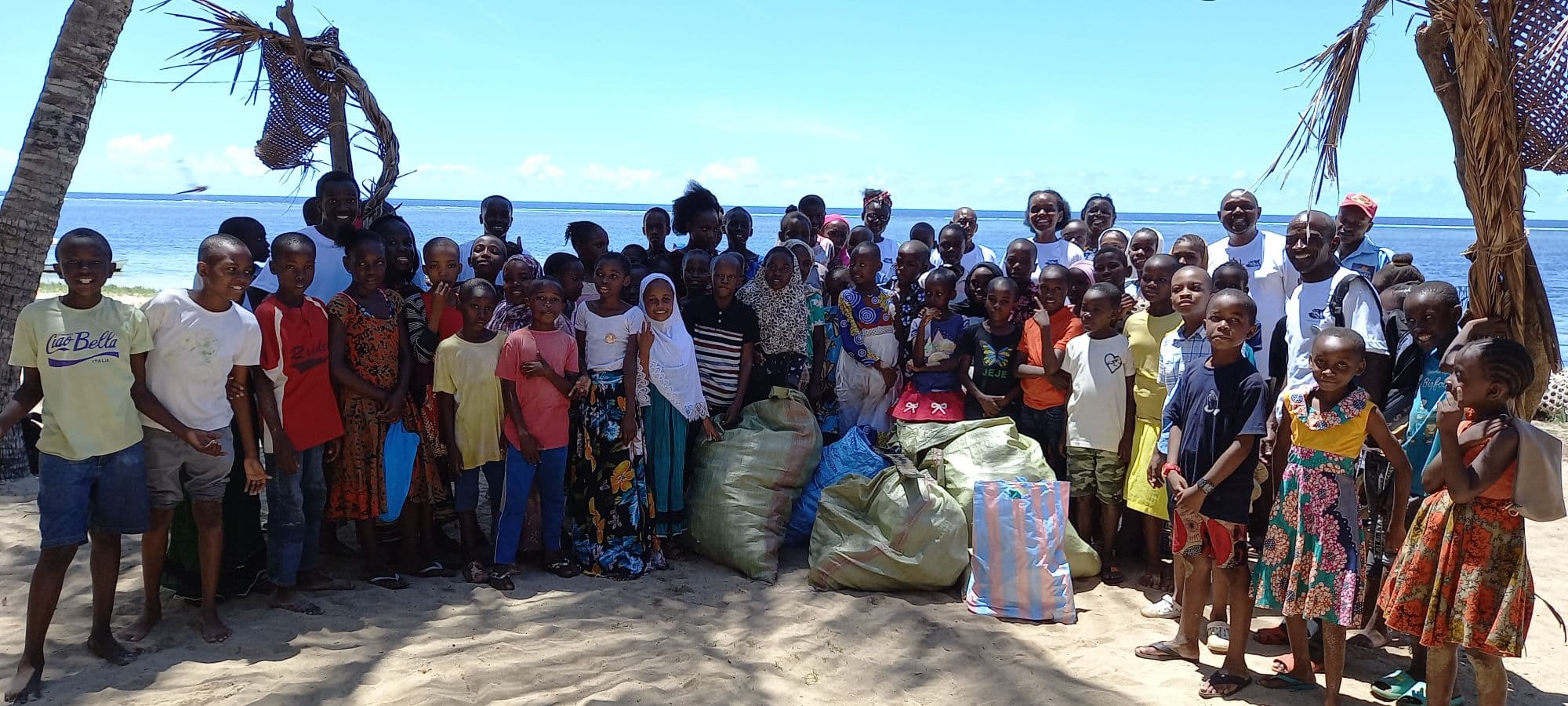
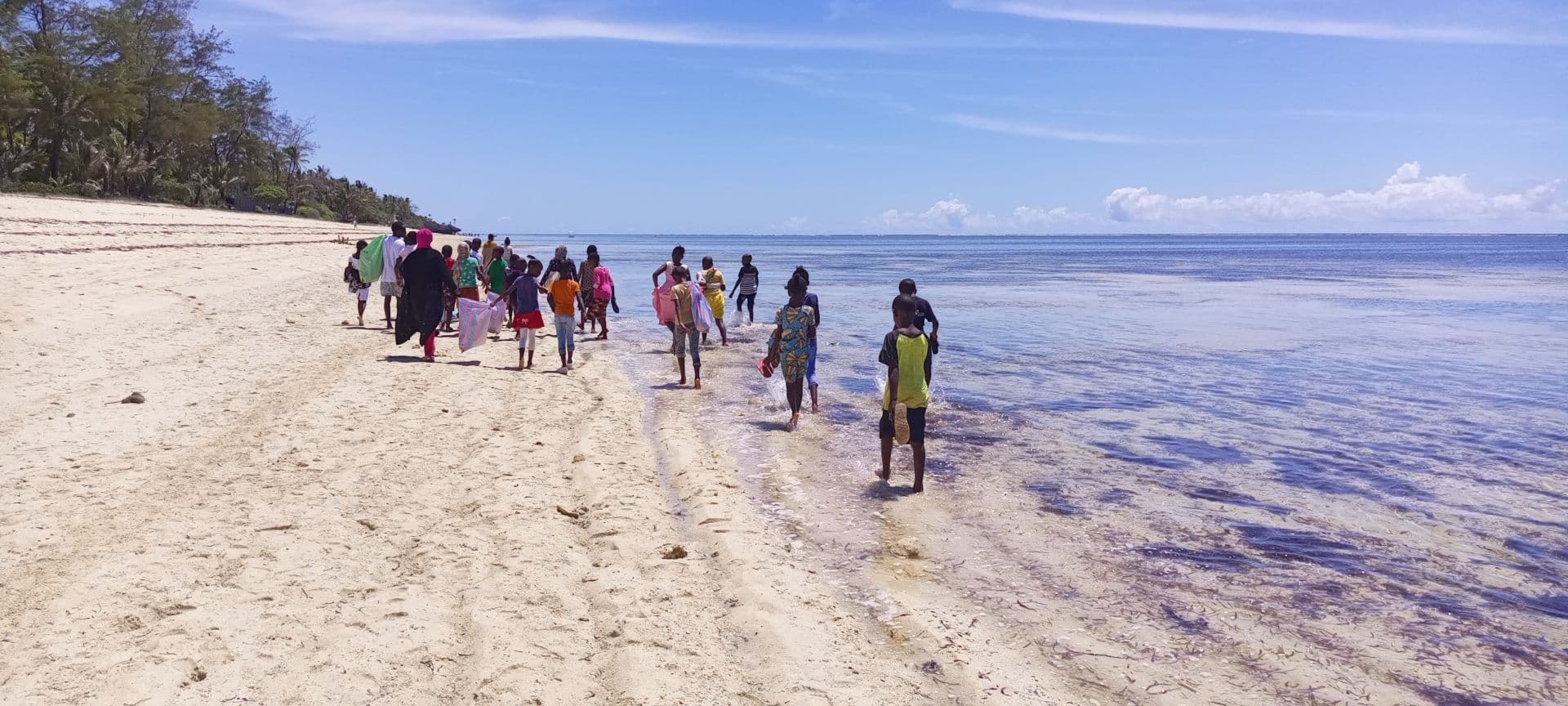
The following day, we moved from the classroom to the sand. We organized a beach cleanup that brought together our first 70 Ocean Heroes: a group of children eager to put life back into the water. Accompanied by a small, dedicated team of adults, including myself, my sister, and four volunteers, we got to work.
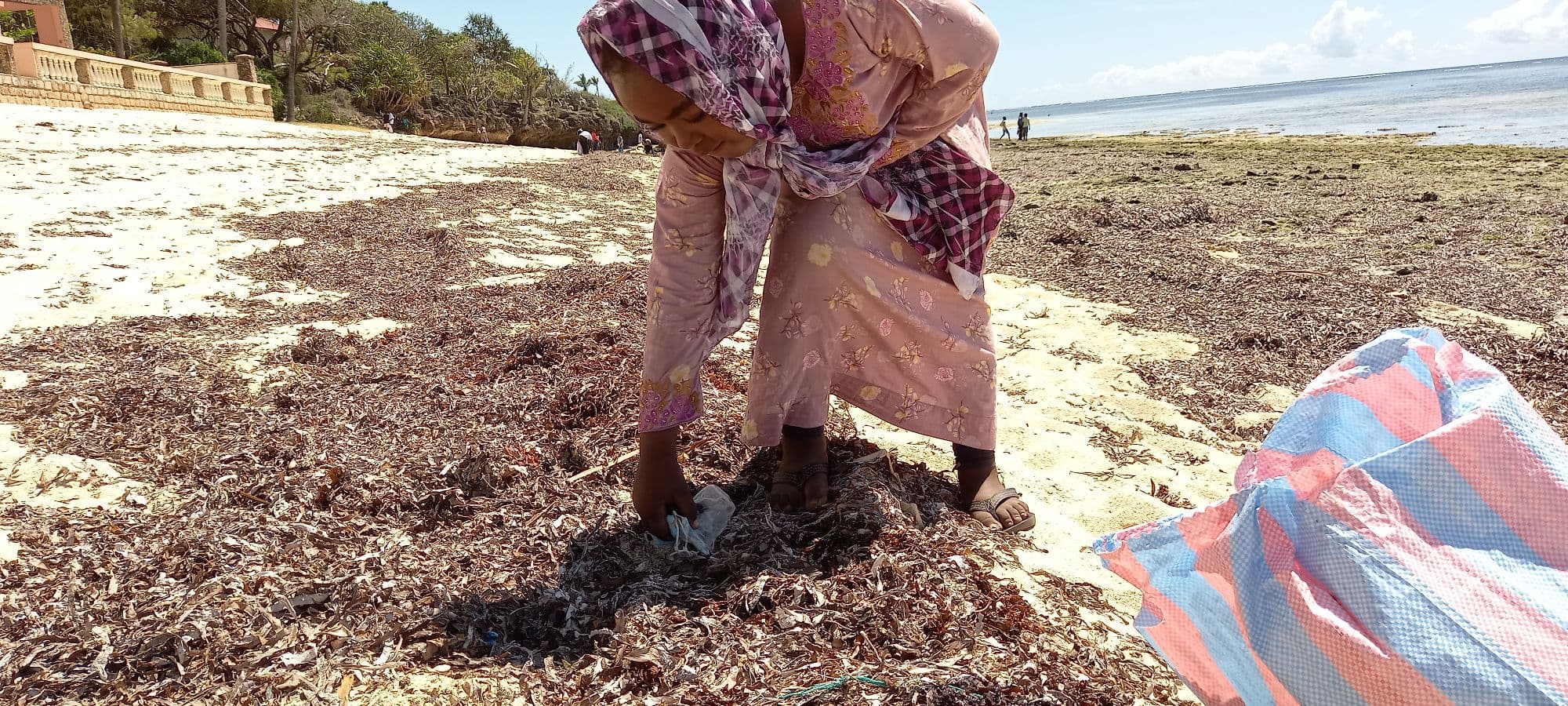
Together, we collected 60kg of trash. While we didn’t have enough time to sort every piece due to time constraints, the weight of those bags told a story of its own. It was a tangible realization of the challenge we were up against, but also the power of collective action. That day, the water felt a little more alive than it had the day before.
The Lesson in the "Quiet" Years
The two years following that pilot phase were a test of resilience. We applied for many grants, and for a long time, nothing came through. But looking back, that season was just as important as the first outreach. It taught me that you don't need to have everything figured out to begin.
My biggest learning point? You need a strong support system. Conservation is heavy work, and you can’t carry it alone. To anyone sitting on a dream or a plan to protect our planet: believe in it. It is never too late to start, and as I found out at 20, it is never too early to begin either. The world doesn’t wait for the perfect plan; it waits for those who care enough to work through the imperfections to get things done.